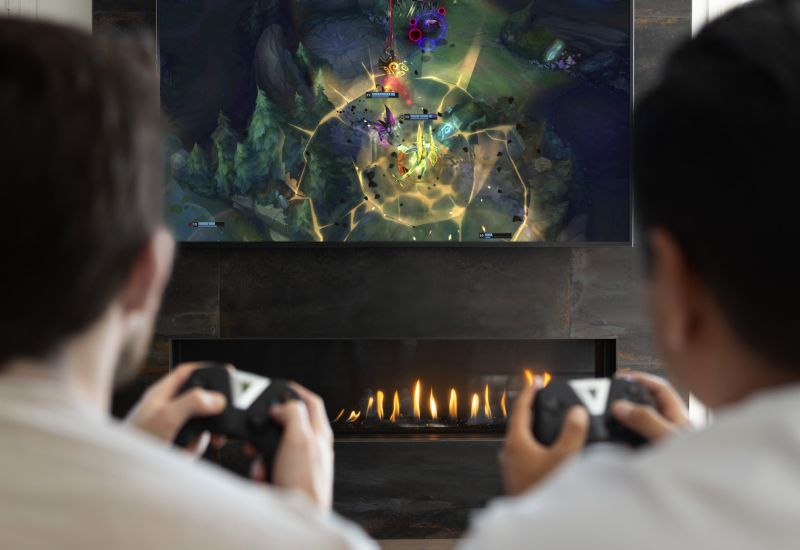
Когда Nvidia ранее получала основную часть своей выручки от игрового рынка, она использовала свои процессоры Tegra для создания портативных игровых устройств. Однако сейчас приоритеты компании изменились, и она открыто заявляет, что не может уделять время разработке современных портативных консолей на базе RTX Spark.
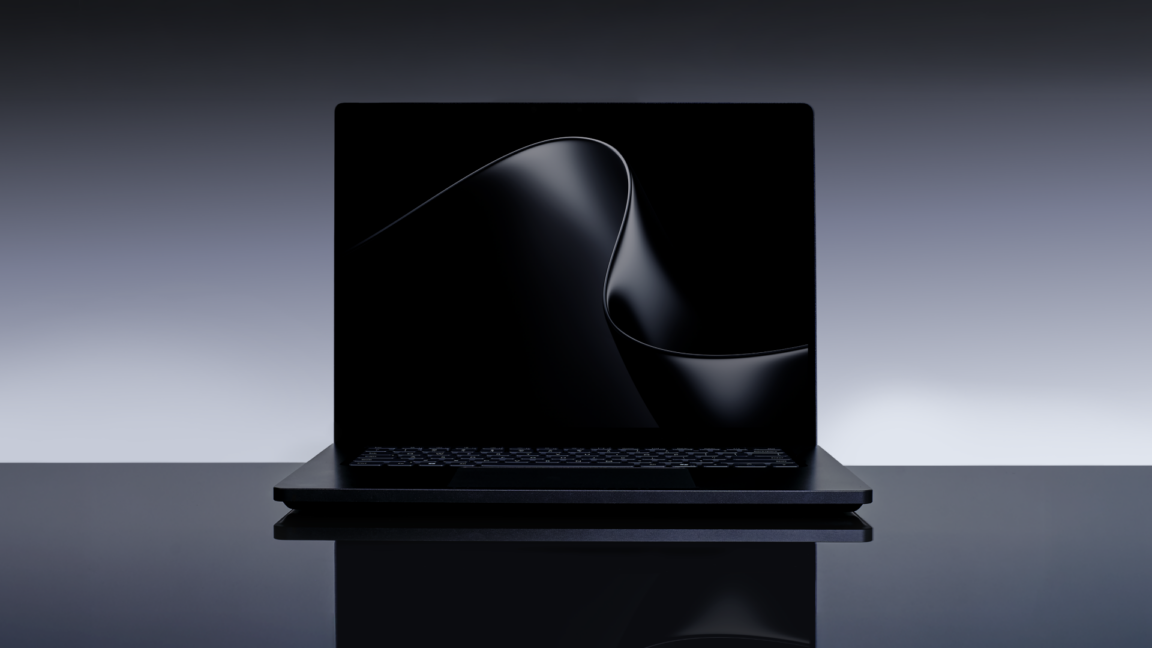
На выставке Computex 2026 Дженсен Хуанг, основатель и генеральный директор Nvidia, ответил на вопрос о возможности создания консоли на основе RTX Spark. Он отметил: «Если кто-то захочет это сделать, мы поработаем с ним. Но сейчас мы сосредоточены на чем-то более важном — переосмыслении ПК после 40 лет на рынке». Хуанг добавил, что все приложения для x86-совместимых чипов должны работать безупречно на новой платформе, что требует значительных усилий.
Nvidia сотрудничала с Microsoft в течение трех лет и с MediaTek два с половиной года, чтобы вывести на рынок RTX Spark. По словам Хуанга, возможность переопределить рынок ПК для компании крайне важна, и такие возможности возникают раз в 40 лет, поэтому нужно максимально использовать этот шанс и не отвлекаться на второстепенные задачи.
С одной стороны, такие заявления подчеркивают, что игровой сегмент перестал быть приоритетным для Nvidia. Согласно последним данным, доля игровой выручки компании упала ниже 5% от общего объема, а основную прибыль приносит серверный сегмент. С другой стороны, после чипа N1x в семействе RTX Spark выйдет более скромный N1, который может обеспечить приемлемое энергопотребление для портативной консоли. Возможно, кто-то из партнеров Nvidia захочет использовать его в качестве основы для игровой консоли, но сама компания не готова продвигать эту идею в данный момент.
In the past, Nvidia generated most of its revenue from the gaming market, utilizing its Tegra CPUs to create portable gaming devices. However, the company's focus has shifted significantly towards the server segment, and it now openly states that it doesn't have the time to develop modern portable consoles based on RTX Spark.
At Computex 2026, Jensen Huang, Nvidia's founder and CEO, addressed the possibility of creating a console based on RTX Spark. He stated, "If anyone wants to do it, we'll work with them. But right now, we are focused on something bigger - reinventing the PC after 40 years in the market." Huang emphasized that all applications for x86-compatible chips must work flawlessly on the new platform, which requires significant effort.
Nvidia collaborated with Microsoft for three years and MediaTek for two and a half years to bring RTX Spark to market. According to Huang, the chance to redefine the PC market is crucial for the company, and such opportunities arise only once every 40 years, making it essential to capitalize on them and not waste resources on secondary tasks.
On one hand, these comments highlight that the gaming segment is no longer a priority for Nvidia. Recent reports indicate that the company's gaming revenue has fallen below 5% of its total revenue, with the server segment generating the majority of its profits. On the other hand, following the N1x chip in the RTX Spark family, a more modest N1 version will be released, which could provide acceptable power consumption for a portable console. It's possible that one of Nvidia's partners may wish to use it as the basis for a gaming console, but the company itself is not currently prepared to promote this idea.