На этой неделе Apple представила новый MacBook Pro с сенсорным экраном, который предлагает множество полезных обновлений. Однако одним из лучших решений компании стало то, что она оставила в продаже старые модели.
Хотя я не испытывал особой необходимости в сенсорном экране, понимаю, что для многих пользователей это может быть полезным. Я рад, что их мечта сбудется с 6 ноября. Тем не менее, я сам давно хотел обновить свой Mac. Мой 16-дюймовый MacBook Pro 2023 года с процессором M2 Pro все еще хорош, но 16 ГБ оперативной памяти начинают ощущаться недостаточными.
С приближением обновленного MacBook Pro, я с нетерпением ждал возможности приобрести новую модель, несмотря на противоречивые слухи о том, какие чипы будут установлены. Я надеялся, что новый сенсорный MacBook Pro получит более производительные компоненты, чтобы оправдать предполагаемую надбавку в $400.
Однако, как оказалось, новые модели с дисплеем PROLED XDR имеют такую же производительность, как и их предшественники без сенсорного экрана. Хотя новая термальная система может улучшить работу устройства, изменения в основном направлены на поддержание температуры дисплея, а не на увеличение производительности. Время и отзывы покажут, насколько это действительно так.
Тем не менее, решение Apple сохранить в продаже модели MacBook Pro без сенсорного экрана, такие как M5 Pro и M5 Max, стало приятным и неожиданным шагом. Ранее, когда в 2016 году была представлена Touch Bar, единственным вариантом без нее оставался базовый 13-дюймовый MacBook Pro. Если вы хотели более мощный ноутбук, вам приходилось доплачивать за модели с Touch Bar.
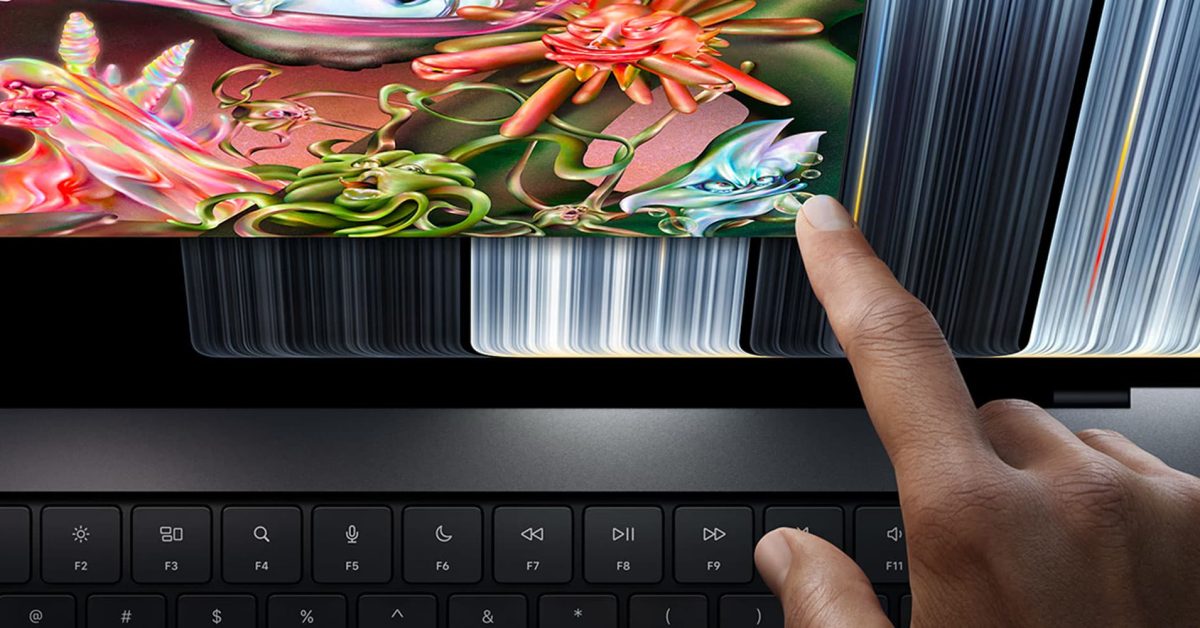
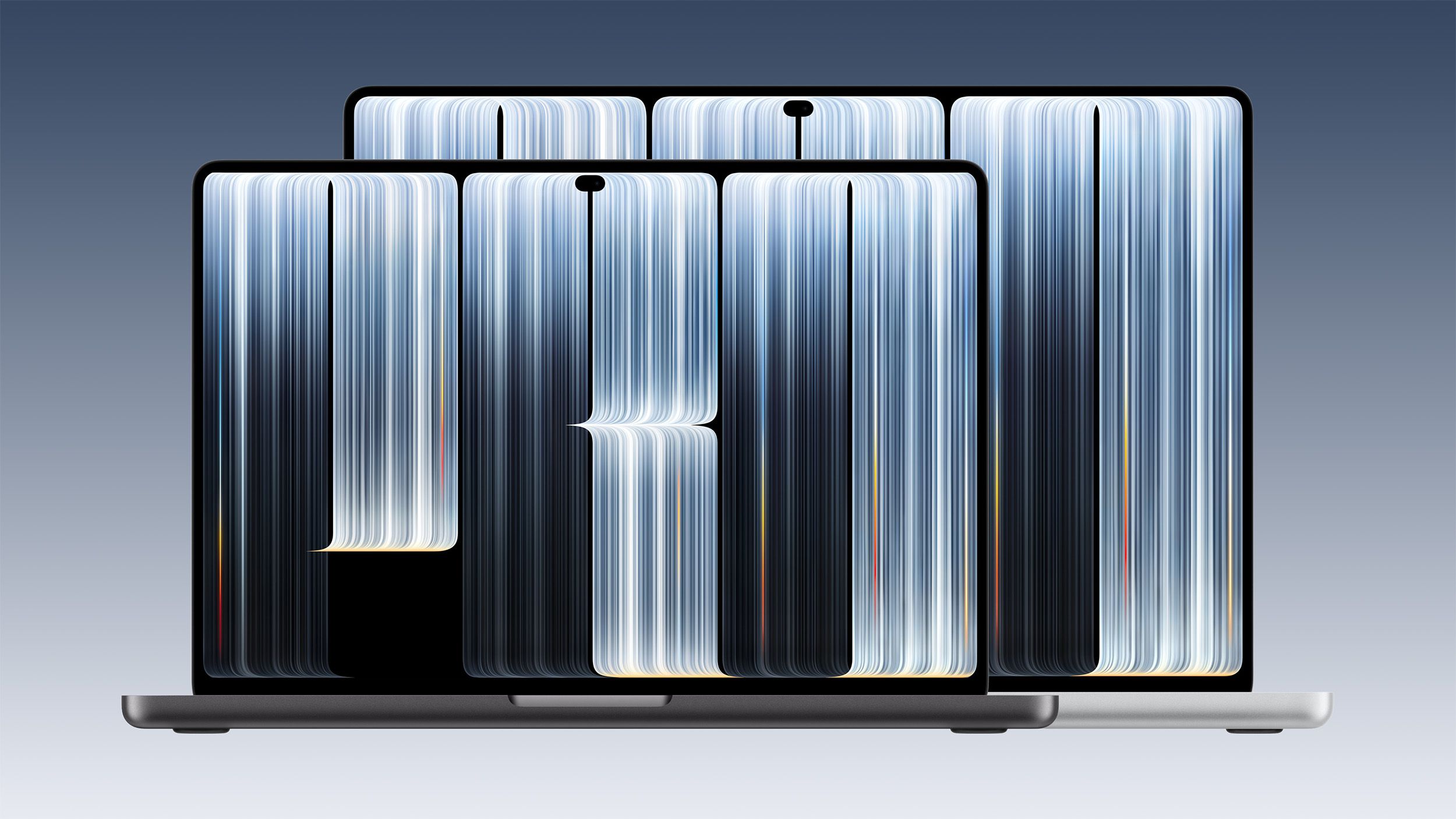
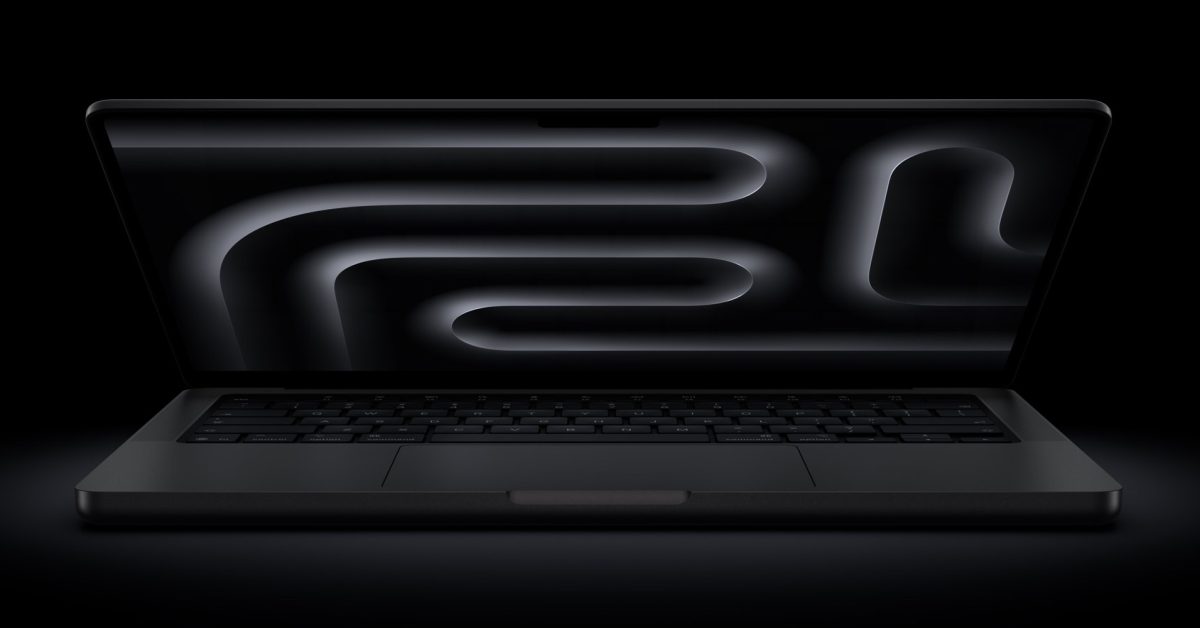
Новый MacBook Pro с PROLED XDR Display действительно предлагает множество улучшений: дисплей с OLED, улучшенные термальные характеристики, более тонкий и легкий дизайн, уменьшенные рамки и обновленная аудиосистема. Также вернулся светящийся логотип Apple. Все это делает надбавку в $400 вполне оправданной. Но если для вас важнее производительность, то возможность получить те же характеристики за $400 меньше — это отличное предложение для всех, включая меня в будущем.
This week, Apple launched a new touchscreen MacBook Pro featuring numerous enhancements, but one of the most significant aspects of this release is the decision not to change certain elements. While I didn't particularly crave a touchscreen Mac, I understand its usefulness for many users, and I'm pleased that their time has finally arrived, starting November 6.
Personally, I've been eager for a new Mac. My 2023 M2 Pro 16-inch MacBook Pro is still a solid machine, but its 16GB of RAM is beginning to feel limited. With the revamped MacBook Pro on the horizon, I was excited about the possibility of upgrading, despite conflicting rumors surrounding its chip specifications.
I had resigned myself to the idea that the new touchscreen MacBook Pro would feature the same chips as the current non-touchscreen models, but I held out hope that Apple would introduce some performance improvements to justify the rumored $400 premium.
However, it turns out that the new MacBook Pro with PROLED XDR Display has the same performance as the non-touchscreen versions. Although its redesigned thermal system might allow for better performance, the changes seem more focused on maintaining display temperature rather than enhancing overall heat dissipation. Time and reviews will reveal the truth.
This makes Apple's decision to continue offering the non-touchscreen M5 Pro and M5 Max MacBook Pro models all the more welcome and unexpected. When Apple introduced the Touch Bar in 2016, the only option without it was the entry-level 13-inch MacBook Pro. To get a more powerful model, users had to pay extra for the 13-inch version with Touch Bar or the redesigned 15-inch model.
The new MacBook Pro with PROLED XDR Display indeed brings many improvements, including a tandem OLED display, enhanced thermal performance, a thinner and lighter design, slimmer bezels, and a revamped audio system. The return of the glowing Apple logo is also a nice touch. When considering all these upgrades, the $400 premium might seem reasonable. However, if, like me, you prioritize performance over these enhancements, getting the same specs for effectively $400 less is a great deal for everyone involved, including my future self.